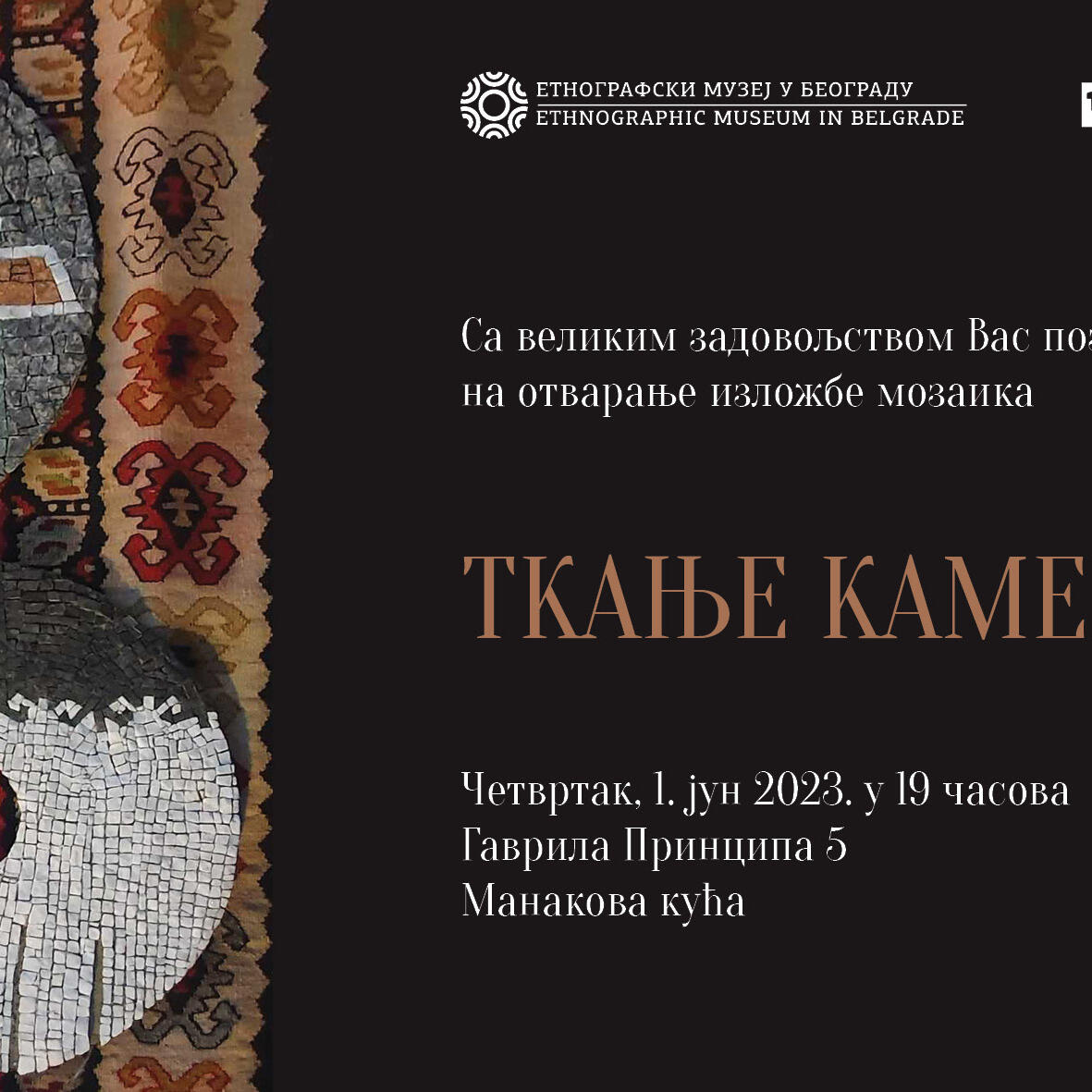
 Art schools have existed since ancient times. Their significance is immense as they maintain the continuity of achieved skills and enable what we call tradition.
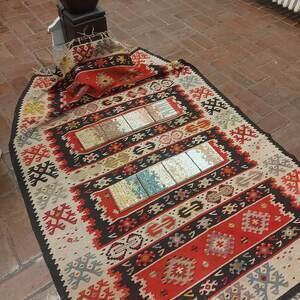
Thus, in ancient times, weavers in the Balkans received technology and patterns for their work, but their personal experience and talent added to the significance of their artistic and/or craft expression and achievement. This moment of an expanded field of creation during work is very valuable, as it leads to the specificity of the local scene.
Discovering those moments today does not mean merely repeating past patterns, but rather transposing them into a contemporary expression and in a completely new way.
This is preceded by a journey of studying the working process and interpreting the depth of meaning of the symbols used. This is precisely what forms the core of this project. It aims to provide a higher meaning to the very learning of the artistic craft, as well as to uncover the most valuable aspects of tradition, thereby granting it a new life, and offering us great artistic inspiration and personal achievement.
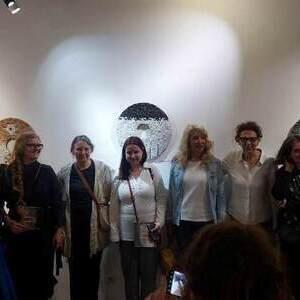
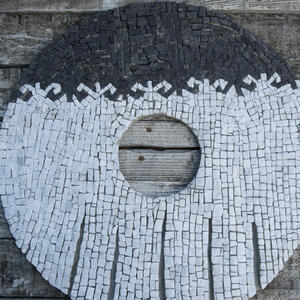
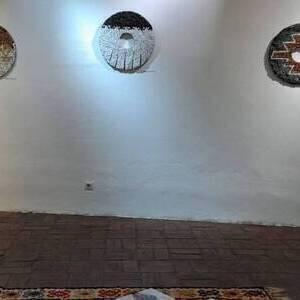
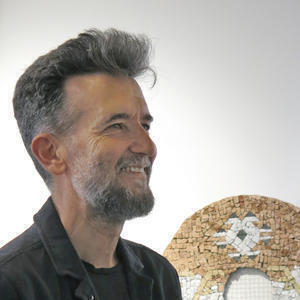
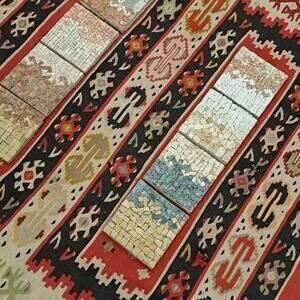
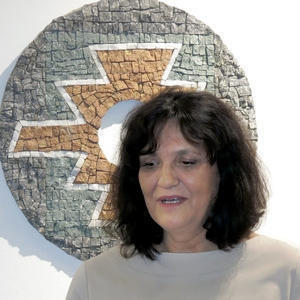
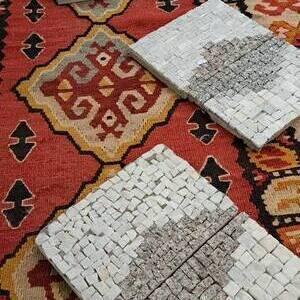
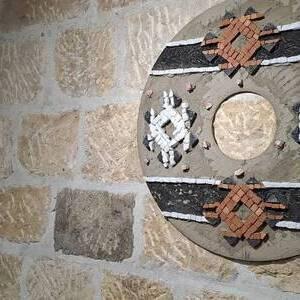
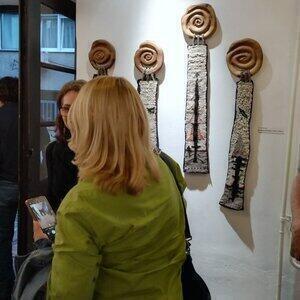
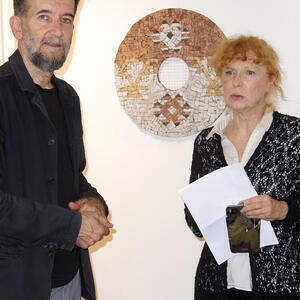
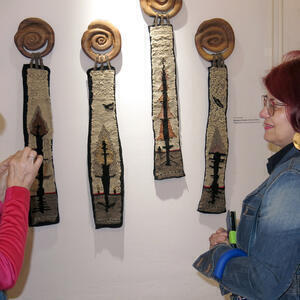
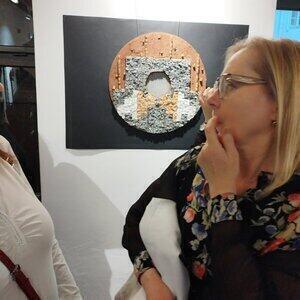
Members of the studio Камен&Лом have been weaving joint mosaic carpets with 12 hands for several years, which gives these works a certain specificity. The participants of the studio, through new inspiration and a challenging task/endeavor, are encouraged to engage in a deeper and different way with both the exploration of the past and their personal development, as well as familiarizing themselves with the possibilities of mosaic expression. The collaborative work is particularly important, as it is precisely the sense of community and togetherness that has significantly defined not only the work but also the character of life among the Eastern peoples and the Balkans.
We have chosen this area of our tradition because it allows for a direct and easy understanding of some contemporary trends and directions in visual art. For example, engaging with the theme of symbolism, but even more so with the selection of forms from traditional carpets, then reducing them to basic expressions and integrating and choosing colors and fundamental tones, participants gradually "enter" into the visual problems of suprematism and modern abstraction, especially those of geometric orientation.
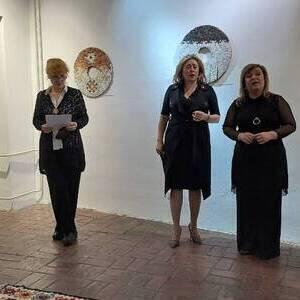
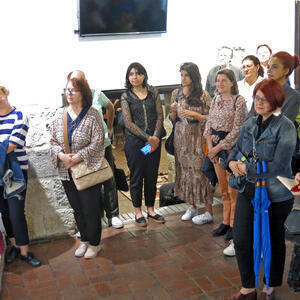
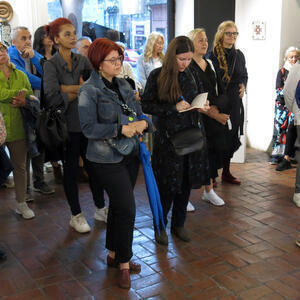
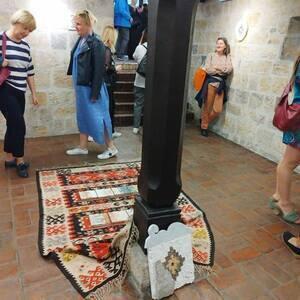
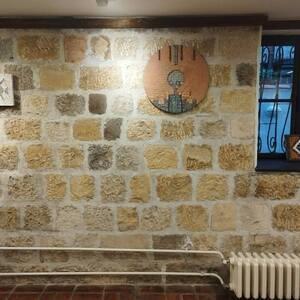
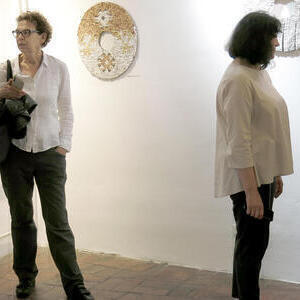
It is especially important to us where this first exhibition, showcasing our work, takes place. It is at the Manak's House gallery (an exceptional venue in itself), which houses the brilliant ethnographic collection of Hristifor Crnilović.
In addition to the direct contact with the motifs and objects that inspired this project, there is another moment that is very important to us. During his studies in Skopje, Aleksandar Tomašević, the founder of modern mosaic in the 20th century, was a student of H. Crnilović. He often assisted his professor in drawing artifacts that Crnilović collected during his travels across the Balkans. This, among other things, significantly influenced Tomašević's later artistic expression, particularly in his mosaic work.
By combining these two elements, ethnographic material and contemporary mosaic, our intention at the exhibition and the accompanying workshop is to create an atmosphere in which we can perceive and experience the heritage of our ancestors in a new way, to recognize that the past has not passed, is not finished, but that we live it even today, often without being aware of it, and that it greatly determines our current life.
Ana Jevgenijević, Vera Radenović Bojanović, Filip Jevtić, Ivana Todorić, Kristina Šarić, Maja Guzina, Mira Jovčić, Suzana Stanišić
Vildana Kilian, Vesna Babunski
Petar Vujošević